
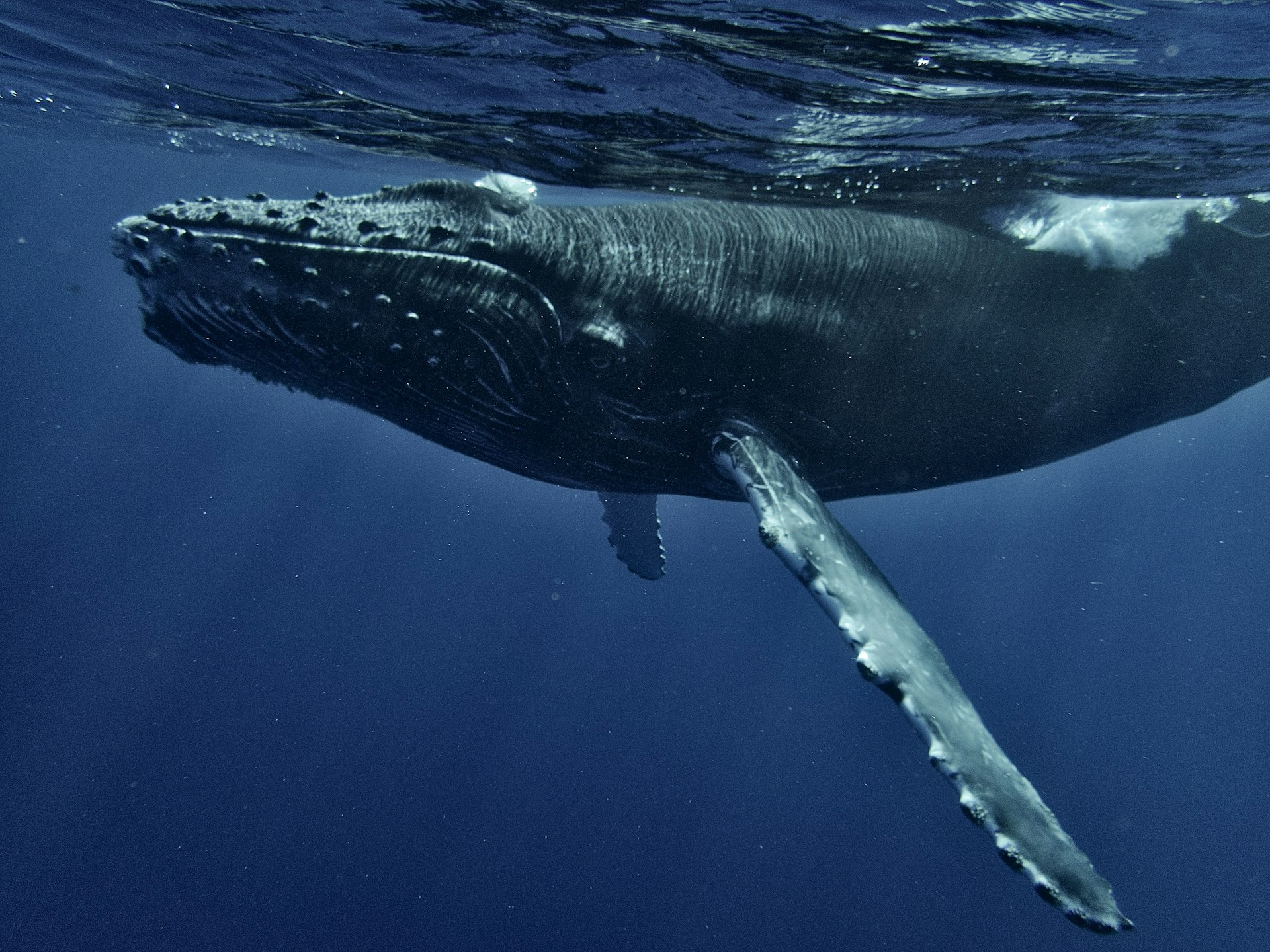
Panama’s humpback whale season runs from July through October, with the best sightings from mid-August to late September. The two main destinations are the Gulf of Chiriquí on the Pacific coast (the most affordable and most reliable, reached from Boca Chica or Boquete) and the Pearl Islands in the Bay of Panama (a longer, pricier trip from Panama City, but with exceptionally high sighting rates). Group tours typically run about $70–$150 per person; private charters cost considerably more.
Season at a glance
| Month | What to expect |
|---|---|
| July | Season opens; whales arriving, sightings building |
| August | Strong — peak window begins mid-month |
| September | Best month — mothers with calves, high activity |
| October | Season winding down; sightings taper |
| November–June | Off-season for humpbacks |
Humpbacks travel to Panama’s warm Pacific waters to calve and nurse, which is why late-season trips so often produce mothers swimming with young calves.
Where to go
| Gulf of Chiriquí | Pearl Islands | |
|---|---|---|
| Base | Boca Chica / Boquete (Chiriquí) | Panama City |
| Trip style | Day tour, often with island beach stop | Longer boat trip or day charter |
| Typical cost | ~$70–$90 per person | Higher — premium day trip |
| Sighting odds | Very good in peak season | Exceptionally high (operators report ~99%) |
| Best for | Value; pairs with a Boquete trip | Travelers based in Panama City |
Gulf of Chiriquí is the value pick and pairs naturally with a Boquete coffee-country stay. Tours commonly include a stop at an island beach for snorkelling or lunch.
Pearl Islands (Archipiélago de las Perlas) sits farther offshore from Panama City. It costs more and takes longer, but sighting rates are outstanding.
What a typical tour includes
Most day tours cover the boat and guide, life jackets, and a beach or snorkelling stop; many include lunch or a snack. Bring sun protection, a hat, water, and motion-sickness tablets if you are prone — Pacific swell can be lively. Mornings are usually calmer than afternoons.
Watching responsibly
Panama regulates whale approach distances to protect calving mothers. A good operator keeps a respectful distance, cuts engines rather than chasing, and limits time with any one group of whales. If a boat is racing toward whales or crowding a calf, that is an operator to avoid.
Combine it with the rest of your trip
Whale season overlaps with peak offshore fishing in the same waters — see our guide to deep-sea fishing in Panama. If you are scouting Panama as a place to live rather than just visit, our cost of living guide covers what daily life actually costs.
Compared to Costa Rica: Costa Rica’s whale-watching scene is heavily booked and heavily priced. Panama sees the same humpback migration in less-crowded water — often with a fraction of the boat traffic.
Frequently asked questions
When is whale watching season in Panama?
July through October, with peak sightings from mid-August to late September, when humpbacks calve and nurse in Panama’s Pacific waters.
Where is the best whale watching in Panama?
The Gulf of Chiriquí offers the best value and very reliable sightings; the Pearl Islands, reached from Panama City, report exceptionally high sighting rates on a longer, costlier trip.
How much does a whale watching tour in Panama cost?
Group day tours typically run about $70–$150 per person depending on departure point and inclusions. Private charters cost significantly more.
Are you guaranteed to see whales?
No operator can guarantee wildlife, but in peak season sighting rates are very high, and Pearl Islands operators report success rates near 99%.
Do I need to book in advance?
In peak season, yes — weekend departures fill up. Booking a few days to a couple of weeks ahead is sensible.
Season dates, prices, and operator details change; figures reflect mid-2026 published data and are reviewed each season. latam.properties is a publisher, not a tour operator.
Sources
- Tourism Panama — Whale Watching
- Real Deal Tours — Panama Whale Watching Season Guide
- The Panama Tour Site — Gulf of Chiriquí Whale Watching
- Adventures Panama — Whale Sighting
All prices and other statistics are subject to changes beyond our control. We will try to update this information as often as possible. Refer to sources listed for more information.